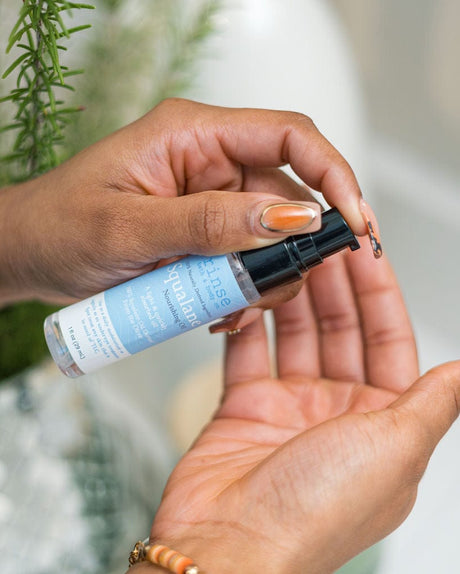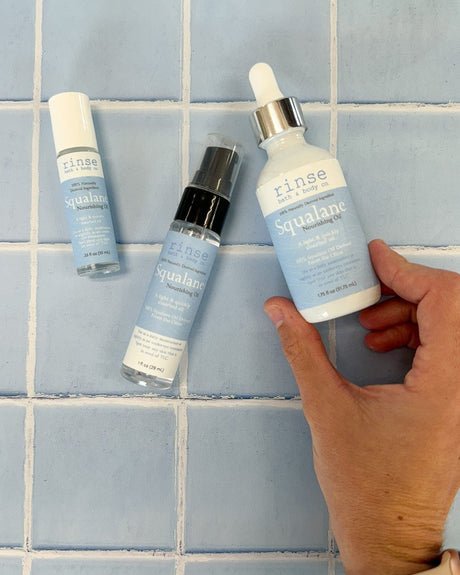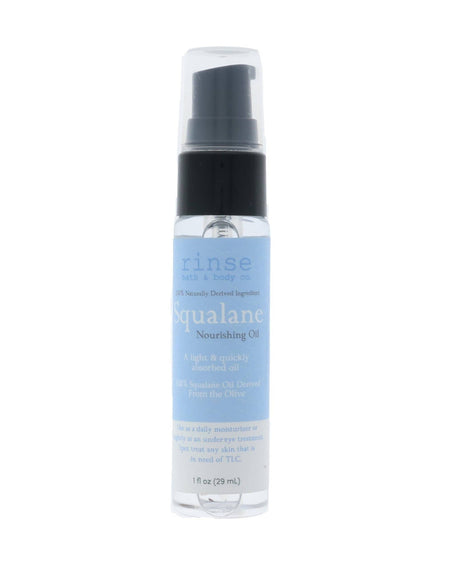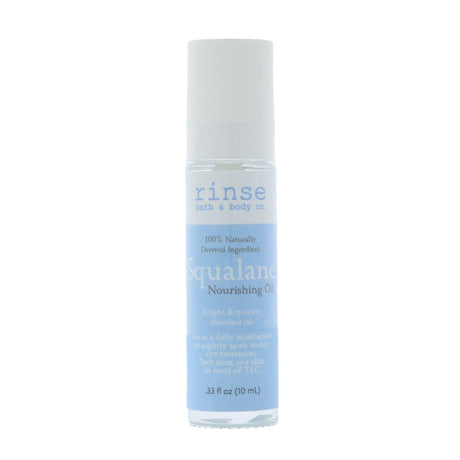
Warm weather can make your skin feel dewy and your routine feel a little confusing. The air is humid, the calendar is full, and it is tempting to put away every moisturizer until October. But a lightweight routine can still be a beautiful thing—especially when your skin is feeling a little tight after a day of sun, salt, wind, or air conditioning.
That is why we love squalane oil. It is a lightweight face oil with a quick-absorbing, comfortable finish—exactly the kind of ingredient we reach for when we want a little more softness without a heavy feeling.
Here is a look at what it is, the difference between squalane vs. squalene, and how to get the most out of every drop.
Squalane vs. Squalene: What Is the Difference?
Your skin’s natural sebum contains a lipid called squalene—with an “e.” Squalene is found in skin-surface lipids and in nature, including olive oil.
Squalane—with an “a”—is the stable, saturated form used in skincare. In other words, it is a cosmetic-friendly version valued for the light, emollient feel it brings to a formula and its reliable shelf life.
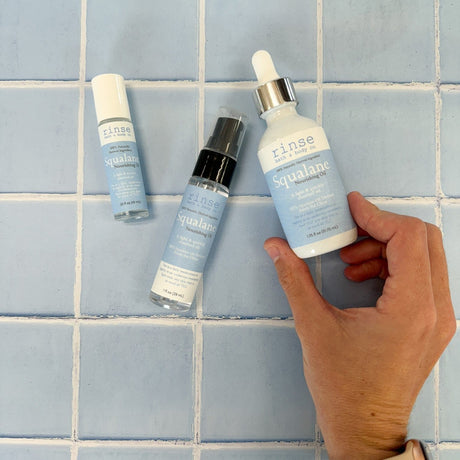
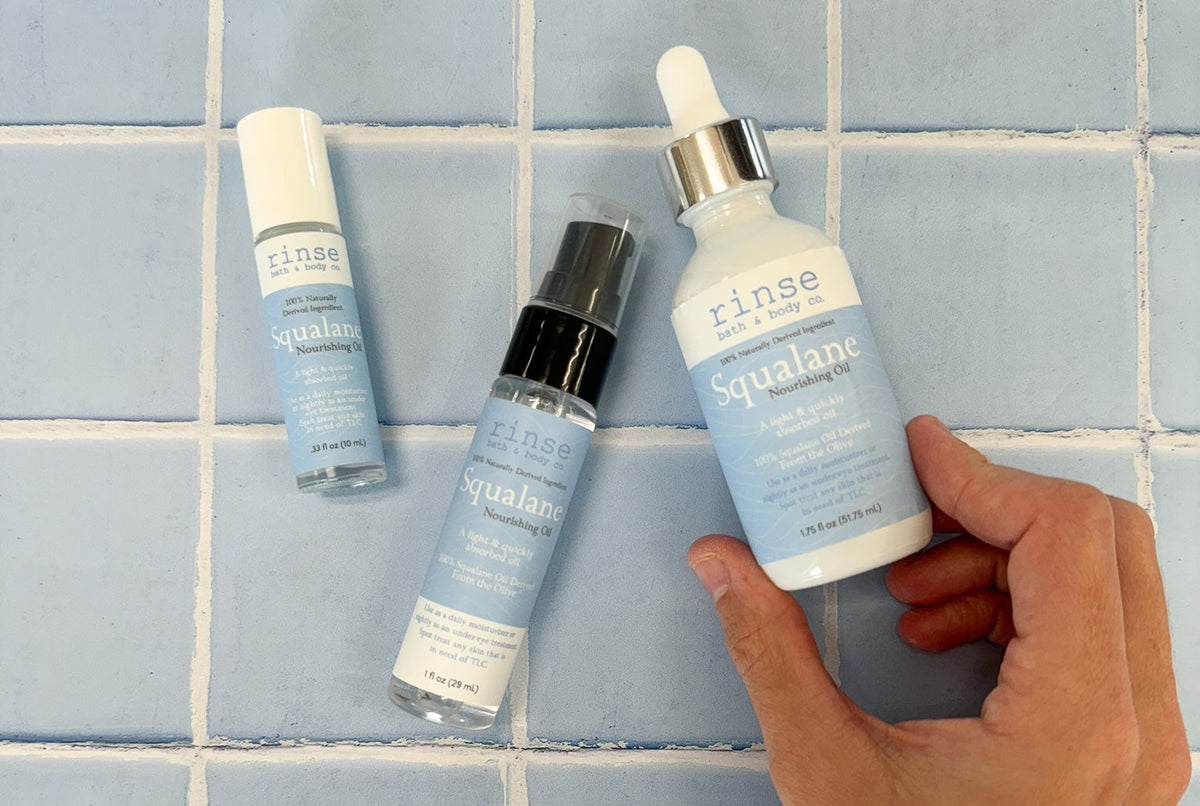
At Rinse, we use olive-derived Squalane in our skincare line. It is a plant-based ingredient with a silky, scent-free feel that spreads easily and leaves skin feeling soft and comfortable rather than coated. It is one of those quiet ingredients that does a lot without making a fuss.

How to Use Squalane Oil for Your Face
We always say a little goes a long way with Squalane. A few drops are generally plenty for a full-face application, and beginning with less lets you adjust the feel to your own routine.
Here is our favorite way to use a squalane facial oil:
- Start with two to three drops. Place a small amount into clean palms. If you prefer a lighter finish, start with two; if your skin is feeling especially dry, decide whether you would like a little more.
- Warm, then press. Press your palms together and gently press the oil onto your face. This gives you a simple, even application without overworking the product.
- Try it on slightly damp skin. After cleansing, a little residual water can help the oil glide more comfortably across the skin.
- Layer it where it fits. Use Squalane after your water-based products. If you use a richer balm, apply the oil first and allow it a moment to settle before adding the balm. In the morning, let it settle before applying sunscreen—SPF is always the final step.
- Make it a morning-or-night ritual. Its lightweight texture makes it easy to work into either routine. Try it before makeup in the morning or as a soft finishing step at night.

One Bottle, A Lot More Than a Face Oil
If you reach for your Squalane on your face and call it a day, we understand—that is where most of us start. But that little bottle is one of the most versatile things in your routine, and it is worth letting it roam a bit.
Because of its featherlight feel, squalane oil for hair ends, cuticles, and dry-looking spots can make an easy addition to your get-ready routine. Start with one drop for small areas and add only if you would like a little more.